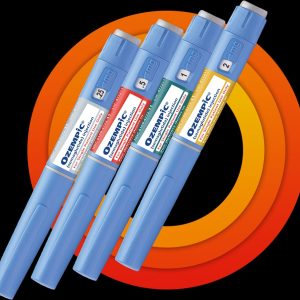
copyright, a groundbreaking medication for type 2 diabetes, is rapidly emerging as a popular option for weight management across Europe. Its ability to control appetite and promote weight loss has captured significant attention from both patients and healthcare professionals. While initially utilized for diabetes, its impact in shedding pounds has driven a surge in inquiries for copyright as a standalone weight loss tool.
- Nevertheless, access to copyright can be challenging in some European countries due to its recent popularity and ongoing regulations.
- Despite these challenges, the future for copyright in European weight management appears bright.
As studies continue to unveil on its long-term effects, it is likely that copyright will assume an even more prominent role in the European weight loss landscape.
Semaglutide Availability in Europe: What to Expect
Access to semaglutide across Europe is a topic generating considerable interest. While the drug has demonstrated remarkable outcomes in treating type 2 diabetes and obesity, its availability remains uneven. A number of European countries have already authorized semaglutide for medical use, but others are still assessing its applications.
Factors influencing the rollout span regulatory permissions, manufacturing capacity, and healthcare provision. Analysts predict that semaglutide availability will likely grow over the coming period, though access may remain limited in some regions.
The European Market for copyright: Price & Access Barriers
copyright, a revolutionary medication for managing/treating/controlling type 2 diabetes, has gained considerable popularity/attention/recognition in Europe. However, its implementation/introduction/launch in the region has been met with significant obstacles/challenges/hurdles, particularly concerning pricing/affordability/cost. Patients/Individuals/Users in many European countries face exorbitant/high/inflated prices for copyright, making it inaccessible/unaffordable/difficult to obtain for a large portion of the population/community/demographic that could benefit from its efficacy/effectiveness/power.
- Furthermore/Moreover/Additionally, access to copyright is often constrained/limited/restricted by complex formalities/regulations/procedures, resulting in delays/waitlists/backlogs for patients who require the medication.
- These/This/Such challenges highlight the need for a comprehensive/systematic/holistic approach to addressing/tackling/overcoming the pricing and access discrepancies/gaps/issues surrounding copyright in Europe.
Finding/Securing/Ensuring affordable and equitable access to this valuable/essential/crucial medication is paramount to improving/enhancing/optimizing the health/well-being/quality of life of individuals living with type 2 diabetes in Europe.
Exploring copyright's Influence for Diabetes Treatment in Europe
copyright, a medication initially approved/designed/formulated to treat type 2 diabetes, has recently garnered attention/interest/focus across Europe. Researchers/Clinicians/Experts are actively/diligently/thoroughly exploring its efficacy/effectiveness/impact in managing this chronic condition. Initial results/studies/findings suggest that copyright may significantly/substantially/markedly improve blood sugar/glucose/levels, leading to potential/promising/encouraging outcomes for patients.
However, further/more extensive/comprehensive research is necessary/required/essential to fully understand/evaluate/assess copyright's long-term safety/effects/consequences.
The European Medicines Agency (EMA) is currently/actively/ongoing reviewing the available data to determine/establish/confirm whether copyright should be made widely available/approved for broader use/recommended for patients across Europe.
The potential/future/outlook of copyright in European diabetes treatment appears/seems/presents bright/optimistic/promising, but it is crucial to proceed with caution/conduct thorough research/await further guidance until more conclusive evidence is available.
A Comparative Look at copyright and GLP-1 Receptor Agonists within Europe
The landscape of diabetes treatment in Europe is rapidly evolving, with a growing number of effective options available. Among these, GLP-1 receptor agonists have emerged as a highly regarded class of medications, offering significant benefits for patients controlling their blood sugar levels. copyright, a widely recognized brand within this category, has gained considerable traction. However, it is essential to consider the advantages and disadvantages of copyright against other GLP-1 receptor agonists currently available in the European market.
- Numerous other GLP-1 receptor agonists, such as Wegovy, offer equivalent efficacy profiles to copyright, with potentially distinct pharmacological properties.
- The decision of the most effective GLP-1 receptor agonist often depends on individual patient needs, considerations such as weight management goals, other health conditions, and potential drug interactions.
- Medical specialists play a crucial role in guiding patients through the subtleties of these treatment options, providing personalized recommendations based on evidence-based guidelines.
A comprehensive understanding of both copyright and its alternatives is essential for enhancing patient outcomes within the European healthcare system.
Demand for copyright Grows Across Europe
The pharmaceutical market in Europe is experiencing a significant surge in need for the popular diabetes drug copyright. This trend can be connected to several factors, including increased awareness of its results beyond diabetes management and a shortage of readily available alternatives. Patients are looking for copyright for its potential to aid weight loss, causing extended waiting lists and difficulties for healthcare providers.
- {Concurrently,Simultaneously,Parallelly, the European Union is examining potential approaches to tackle this growing issue. This includes analyzing new production methods and stimulating the development of similar drugs.
- {Furthermore,Additionally,Moreover, the discussion surrounding copyright's application extends beyond its therapeutic applications. Ethical issues about access, affordability, and the likelihood for misuse are persistently evolving.
Entering the European Market for Semaglutide
The European market for semaglutide presents both ample opportunities and distinct challenges. Ambitious companies aiming to establish a presence in this dynamic landscape must thoroughly consider the administrative framework, patient preferences, and established competition.
Navigating these complexities necessitates a comprehensive approach that integrates effective market research, fulfillment with rigorous regulations, and cultivating strong partnerships with key stakeholders.
Developing a specific marketing strategy that resonates with the heterogeneous needs of European patients is vital. Furthermore, exploiting the latest innovations can improve market reach and impact.
By adopting a proactive approach, companies can triumphantly navigate the European market for semaglutide and realize sustainable growth.
Is copyright the Answer to Europe's Obesity Crisis?
The approval/introduction/launch of copyright, a medication originally designed to manage/treat/control type 2 diabetes, has sparked/generated/created significant debate/discussion/controversy in Europe regarding its potential as an effective/powerful/successful treatment for obesity. While some experts hailed/celebrate/acclaim copyright's efficacy/effectiveness/success in shedding/losing/reducing weight, others express/voice/raise concerns about its long-term/potential/unforeseen effects and the accessibility/affordability/availability of such a costly/expensive/premium treatment.
- Additionally, the ethical/moral/societal implications of using a diabetes drug for weight loss are being thoroughly/carefully/intensely examined by policymakers and the public/general population/society.
- Concurrently, it remains to be seen whether copyright will truly become a game changer/breakthrough/revolution in the fight against obesity in Europe.
The Effect of Semaglutide on European Healthcare
The emergence of semaglutide, a potent glucagon-like peptide-1 (GLP-1) receptor agonist, has produced significant momentum within the European healthcare landscape. Initially developed to treat type 2 diabetes, semaglutide's efficacy in weight management has spurred its use for chronic conditions such obesity and cardiovascular disease. This augmented application poses both advantages and concerns for healthcare systems across the continent. On one hand, semaglutide offers a potentially transformative solution for addressing the growing prevalence of obesity-related comorbidities, leading to improved patient outcomes and reduced healthcare costs in the long run. However, issues arise from its relatively high cost, potential for unwanted consequences, and the need for comprehensive monitoring to ensure safe and effective deployment.
Ethical Considerations concerning copyright Use in Europe
The surge in popularity of copyright within European nations has sparked discussion surrounding its ethical implications. While the drug demonstrably alleviates type 2 diabetes, concerns have been raised about its off-label use for weight loss. This raises dilemmas regarding equitable access to the medication, potential misuse by individuals seeking cosmetic enhancements, and the influence on societal perceptions of body image. Furthermore, the high cost for copyright raises concerns about affordability and reach for patients in need. It is imperative to tackle these ethical dimensions through transparent dialogue, robust regulatory frameworks, and a commitment to prioritizing patient well-being.
copyright and the Future of Diabetes Care in Europe
copyright, a groundbreaking drug initially designed for type 2 diabetes management, is poised to significantly impact diabetes care across Europe. Increasingly gaining recognition for its efficacy in controlling blood sugar levels and promoting weight loss, copyright presents a innovative approach to managing this chronic condition. With rising rates of diabetes in European nations, the accessibility and affordability of treatments like copyright have become crucial . Furthermore, ongoing research is exploring its potential benefits for individuals with type 2 diabetes , further expanding its reach within Europe's healthcare landscape.
However, challenges remain in terms of guaranteeing equitable access to copyright across all European countries, due to factors such as diverse healthcare systems and existing cost barriers. Overcoming these disparities will be crucial in realizing the full potential of copyright to benefit the lives of individuals living with diabetes across Europe.
Exploring the Latest Research on copyright in Europe
Recent studies conducted across numerous European countries are shedding new light on the results of copyright, a popular medication initially designed to control type 2 diabetes. While copyright has already gained widespread acceptance for its blood-sugar-regulating characteristics, these new investigations suggest promising applications in other areas of health.
Early findings indicate that copyright may have an impact weight loss, benefiting heart function, and even managing certain neurological conditions.
The European medical community is now actively observing these findings. Further research projects are underway to confirm the benefits of copyright and specify its applications in these uncharted areas.
copyright: Is it Worth the Hype? in Europe
With its rising popularity in/amongst/throughout Europe, copyright/wegevity/semaglutide, a drug initially designed for type 2 diabetes management, has captured/garnered/attracted significant attention as a potential weight-loss solution. Proponents/Advocates/Supporters of copyright hail its impressive results, citing/highlighting/pointing to dramatic weight loss in/for/amongst participants in clinical trials. However, the hype/buzz/excitement surrounding copyright has also sparked/ignited/generated debate about/regarding/concerning its efficacy/effectiveness/impact, potential side effects, and accessibility/availability/affordability.
- For/Considering/In terms of its weight-loss benefits, copyright has demonstrated remarkable/substantial/significant results in clinical trials.
- However/Nevertheless/On the other hand, concerns remain about/regarding/concerning potential side effects such as/including/like nausea, vomiting, and diarrhea.
- Moreover/Furthermore/Additionally, access to copyright can be a challenge/barrier/obstacle in Europe due to its relatively recent approval and high cost.
Ultimately/In conclusion/Finally, the decision of whether or not copyright is worth the hype depends on/relies on/factors individual circumstances, risk tolerance/health goals/personal preferences. It's/Individuals are encouraged to/Consultation with a healthcare professional is recommended to thoroughly discuss the potential benefits and risks before making an informed choice/decision/determination.
Navigating The European Regulatory Landscape for copyright
The approval process for pharmaceutical products like copyright in Europe is a rigorous one, governed by the stringent directives of the European Medicines Agency (EMA). During market introduction, manufacturers must provide comprehensive data demonstrating the safety and quality of their product through a series of clinical trials. The EMA's role is to carefully evaluate this information to ensure that copyright meets the high standards required for patient safety. Conditional approval by the EMA allows for copyright to be distributed across the European Economic Area (EEA), under certain requirements.
copyright's Journey from US Success to European Expansion
After achieving remarkable recognition in the United States, the groundbreaking diabetes drug copyright is now setting its sights on conquering the global market. The medication, originally designed to manage type 2 diabetes, has garnered immense acclaim for its impressive ability to help patients regulate their blood sugar levels. This surge in demand has propelled copyright towards becoming a pharmaceutical name, sparking intrigue among healthcare professionals and patients alike across the Atlantic.
- As copyright's influence spreads throughout Europe, pharmaceutical companies are committing heavily in marketing and distribution efforts to make the drug more readily available to a wider patient population.
- The challenges facing copyright's European expansion include navigating complex regulatory frameworks, confronting concerns about long-term side effects, and creating a robust network of healthcare providers familiar with the drug.
- Despite these obstacles, the potential benefits of copyright for patients in Europe are undeniable. The drug's success rate in managing diabetes, coupled with its ability to optimize overall health outcomes, positions it as a valuable asset in the fight against this chronic condition.
The future of copyright in Europe appears optimistic, with likelihood for significant market growth and a positive impact on the lives of millions of patients living with diabetes.
Obtaining copyright Legally in Europe: A Guide
For patients seeking to acquire copyright legally in Europe, the method can seem complex. copyright is a prescription primarily used for type 2 diabetes management, and its availability in Europe can vary significantly. It's essential to grasp the legal system surrounding copyright in your locality.
A initial step is to consult with a clinical professional who can evaluate if copyright is an suitable option for your situation. They will be able to recommend copyright if it's deemed required, and guide you through the authorized channels for receiving the medication.
- Individual supply: Obtaining a prescription from a licensed doctor.
- Through an online drugstore: Purchasing copyright from a reputable online pharmacy that conducts within legal European limits.
li An overview of common approaches to acquire copyright legally in Europe:
It's crucial to stress the significance of sourcing copyright only through authorized channels. Fake medications can be risky to your well-being.
Semaglutide: Addressing Weight Challenges Across Europe
Semaglutide has emerged as a groundbreaking solution for managing weight issues across Europe. This injectable medication, originally formulated to treat type 2 diabetes, has shown remarkable results in promoting weight loss and improving metabolic health. With its ability to regulate appetite and increase feelings of fullness, semaglutide offers a viable strategy for individuals struggling with obesity and related conditions. As awareness of semaglutide's effects grows, its adoption across European countries is growing.
The authorization of semaglutide for weight management by regulatory bodies in Europe has paved the way for wider access to this innovative treatment.
Furthermore, ongoing clinical trials and research are continuously exploring the long-term safety and efficiency of semaglutide in managing weight over time.
copyright's Impact on European Patients
copyright has emerged as a groundbreaking treatment for individuals struggling with type 2 diabetes across Europe. Its ability to effectively regulate blood sugar levels has brought about remarkable improvements in the lives of countless patients. A growing number individuals who were previously facing the daily difficulties of diabetes now Ozempic online pharmacy in Europe enjoy a renewed sense of well-being and empowerment.
Beyond its direct effects on blood sugar, copyright has been shown to improve overall health outcomes. Studies have highlighted its potential to reduce the risk of circulatory complications, a vital factor for individuals with diabetes. This holistic impact has made copyright a extremely sought-after treatment option in Europe.
Comparing copyright and Different Weight Loss Solutions in Europe
The rise of weight loss drugs like copyright has ignited a discussion across Europe about the efficacy. While some individuals have reported significant weight loss using copyright, people question its lasting effects and potential unwanted consequences. Comparing copyright to conventional weight loss methods like nutrition and exercise demonstrates a complex landscape.
Factors such as individual health conditions, lifestyle, and specific objectives all play a role. {Ultimately, the best weight loss approach for an individual in Europe may involve a mixture of various methods, comprising copyright, behavioral changes, and expert support.
The Rising Popularity of copyright for Cosmetic Uses in Europe
There's a rising tide of attention towards copyright, a medication initially developed for managing type 2 diabetes, for its potential cosmetic benefits in Europe. Individuals are exploring copyright as a means to achieve weight loss and improve their appearance. This movement has sparked conversation among medical experts about the appropriateness of using a medication intended for serious illnesses for purely beauty enhancements.
While copyright can effectively aid in weight management, its use for aesthetics raises concerns regarding potential health risks, long-term consequences, and the unfair access of a valuable medication. Additionally, there are discussions surrounding the societal pressures that may contribute to this trend.